





Sex Whips & Floggers: Unleashing Your Wild Side with Sensual Play

So you are thinking about adding a whip or flogger to your bedroom play. Good move. These tools have been a staple of BDSM for a long time, and for good reason. They are versatile, they create real sensation, and when used right, they can make a session feel electric for both people involved. This guide covers everything you need to know before you buy your first one.
What is impact play, and why do people like it?
Impact play is when one person uses a tool, like a whip, flogger, or paddle, to strike another person's body in a controlled and consensual way.
The sensation is the point. A light flogger dragged across skin feels completely different from a firm strike with a leather whip. Some people love the sting. Some love the thud. Some love the feeling of giving up control entirely.
Your skin is loaded with nerve endings. When something strikes it, those nerves wake up fast. Your body can also release endorphins in response, which is part of why impact play can feel genuinely good, not just intense.
What is the difference between a whip and a flogger?
Whips and floggers look similar but they feel very different in use.
A whip has a single tail. It creates a sharp, precise crack on contact. The sensation is focused and stingy. Whips take more practice to use accurately, so they are generally better suited to people with some experience.
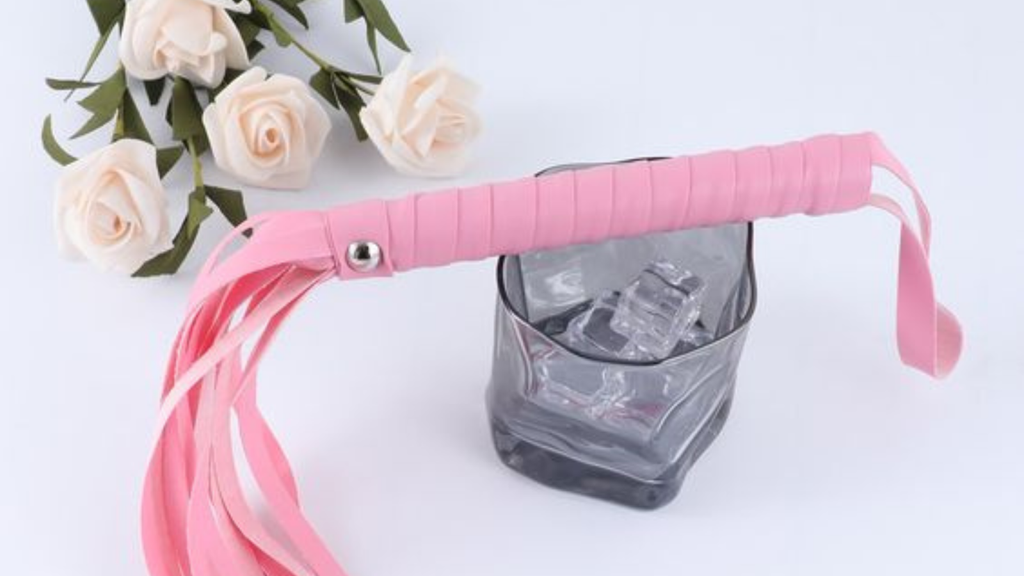
A flogger has multiple tails, called falls, attached to a single handle. The sensation spreads across a wider area. Depending on the material and how hard you swing, a flogger can feel anything from a soft caress to a solid thud.
- Whip: Single tail, sharp and precise, higher skill level needed
- Flogger: Multiple falls, wider coverage, easier for beginners
- Crop: Short handle with a small flat tip, good for targeted taps
- Paddle: Flat and firm, delivers a broad thuddy impact
If you are just getting started, a flogger is the easier entry point. You have more control over intensity, and the sensation is easier to dial up or down.
What materials are whips and floggers made from?
Material matters a lot because it changes how the toy feels on impact.
Here is a quick breakdown of the most common options:
- Leather: The classic choice. Firm and durable. Can feel stingy or thuddy depending on the cut and thickness. Gets better with use.
- Suede: Softer than leather. Great for beginners. The impact is gentler and more spread out.
- Rubber: Delivers a sharper, more intense sting. Better for experienced players.
- Silicone: Easy to clean, body-safe, and delivers a moderate sting. Good all-around option.
- Rope: Creates a unique texture on impact. Often used in lighter play.
- Fabric or faux fur: Very soft, more of a teasing sensation than a true impact. Good for warm-ups.
Pro tip: Start with suede or soft leather if you are new to this. Save rubber and stiff leather for when you have a better feel for intensity and control.
How do you use a flogger safely for the first time?
Using a flogger is simple once you understand where to aim and where to avoid.
- Pick your target zones: Safe areas include the upper back, buttocks, and upper thighs. These have more muscle and fat to absorb impact.
- Avoid certain spots: Never strike the spine, kidneys, tailbone, back of the knees, neck, or face. These areas can cause real harm.
- Start light: Begin with a gentle swing and watch your partner's reaction. Build intensity gradually over time.
- Check in often: Ask how it feels. Watch body language. Slow down or stop if anything seems off.
- End with aftercare: Cool down together. Use lotion on any sensitive skin. Talk about what felt good and what did not.
What should beginners look for when buying their first flogger?
Weight and handle grip are the two things that matter most for your first flogger.
A flogger that is too heavy will tire your arm out fast and make it harder to control. Look for something with a comfortable grip and a moderate number of falls, around 12 to 20.
Suede or soft leather are the best beginner materials. They are forgiving and easy to control. Avoid rubber or very stiff leather until you have had some practice.
Length is also worth thinking about. A shorter flogger gives you more control. A longer one creates more force on impact, which can be hard to manage at first.
For beginners, simpler is better. Pick one good quality flogger, learn how it works, and go from there.
You can check out the full range of sex whips and floggers at ToyHubUSA to see what fits your budget and comfort level.
What does being hit with a flogger actually feel like?
It depends entirely on the material, the swing, and how warmed up the skin is.
A light suede flogger dragged slowly across your back can feel like a gentle tickle. The same flogger swung with more force creates a warm, spreading sensation across a wide area. People often describe this as a thud.
A leather flogger with thinner, stiffer falls delivers more of a sting. It is sharper and more focused. Some people love this. Others prefer the broader, heavier feel of a thud.
After a session, skin that has been flogged often feels warm and tingly. Some people describe a kind of calm or buzz afterward, similar to how you feel after a hard workout. That is the endorphin response at work.
How does BDSM power play fit into using whips and floggers?
Power exchange is at the heart of most BDSM play, and whips and floggers are one of its most physical expressions.
The person holding the flogger, often called the dominant, is in control of the sensation. The person receiving, often called the submissive, is choosing to give that control over. That dynamic, built on trust and clear agreement, is what makes this kind of play meaningful for a lot of people.
It is not about hurting someone. It is about the shared experience of giving and receiving sensation within limits that both people set together.
If you want to go deeper into the dynamics of this kind of play, the guide to sexual flogging covers technique and trust-building in more detail. You can also browse the full BDSM toys collection to see what other tools people use alongside whips and floggers.
How do you clean and care for a whip or flogger?
Leather and suede need the most attention. They should not be soaked in water.
Wipe leather down with a damp cloth after use and let it dry completely before storing. A leather conditioner applied occasionally keeps the material from drying out and cracking.
Silicone and rubber floggers are much easier. You can wipe them clean with warm water and a mild soap or a dedicated sex toy cleaner.
- Store whips and floggers hanging or laid flat, not coiled tightly
- Keep leather away from direct sunlight and extreme heat
- Check the falls and stitching regularly for any wear or fraying
- Never share toys between partners without cleaning thoroughly first
Pro tip: A small amount of leather conditioner once a month goes a long way. It keeps the falls soft and the handle comfortable to grip.
What other tools pair well with whips and floggers?
A lot of people combine impact play with other BDSM tools to create a fuller experience.
Blindfolds are a popular pairing. When you cannot see what is coming, the sensation feels more intense. A simple blindfold is an easy addition that changes the whole dynamic.
Restraints are another common companion. When the person receiving cannot move freely, the power exchange feels more complete. You can explore bondage restraints that range from soft fabric cuffs to leather wrist wraps.
Some people also add paddles or crops to mix up the sensation. Crops give a sharper, more targeted tap. Paddles deliver a wide, firm thud. Using a few different tools in one session keeps things varied and interesting.
Frequently Asked Questions
Are whips and floggers safe to use?
Yes, when used correctly. The key is knowing which body parts to target and which to avoid. Stick to fleshy areas like the upper back, buttocks, and thighs. Avoid the spine, kidneys, joints, and neck. Always agree on a safe word before you start and check in regularly during play.
What is the difference between a sting and a thud?
Sting is a sharp, surface-level sensation that fades quickly. It comes from thinner, stiffer materials like stiff leather or rubber. Thud is a deeper, heavier impact that spreads over a wider area. Suede and softer leather floggers tend to deliver more thud. Some people prefer one over the other, and some enjoy a mix of both.
Do I need experience to use a flogger?
No, but you do need to take it slow. Floggers are actually one of the more beginner-friendly impact play tools because you have more control over intensity than with a whip. Practice your swing on a pillow before using it on a partner, and start with light taps before building up.
Can impact play leave marks?
It can, especially if you swing hard or use a stiff material. Light play with soft suede usually leaves no lasting marks. Firmer strikes can leave temporary redness or bruising. Always discuss this beforehand so both people know what to expect and are comfortable with the possibility.
What is aftercare and why does it matter?
Aftercare is what you do after a BDSM session to help both people come down from the experience. It might mean applying lotion to sensitive skin, wrapping up in a blanket, or just talking quietly together. It helps both people feel grounded and cared for, and it is an important part of any impact play session regardless of intensity.
Can I use a flogger solo?
You can experiment on your own thighs or arms to get a sense of how the tool feels, but impact play is really designed as a partnered activity. The power exchange and communication between two people is a big part of what makes it work. If you are new, practicing your swing technique solo on a pillow first is a good way to build confidence before using it with a partner.