





Feather Ticklers, Sex Feather Sensations: Exploring Intimate Play

A feather tickler looks simple. Just feathers on a handle. But run one slowly across bare skin and you will understand why people keep coming back to this toy. The sensation is hard to describe until you feel it, light, teasing, and surprisingly intense in all the right places.
Feather ticklers are one of the easiest ways to add sensory play to your time together. No experience needed. No learning curve. Just slow, deliberate strokes and a willing partner.
This guide covers how they work, how to pick the right one, how to use it well, and how to take care of it so it lasts.
What does a feather tickler actually do?
A feather tickler works by activating the nerve endings in your skin with very light touch.
Your skin is covered in thousands of nerve endings. Most of the time they respond to pressure, temperature, and pain. But light, barely-there touch is its own category. It wakes up parts of your nervous system that heavier touch simply does not reach.
That is why a feather stroke on the back of your neck feels completely different from a firm squeeze. Both are touch. But they hit different nerves and produce different sensations.
Erogenous zones respond especially well to feather play. These are areas with dense nerve endings and thinner skin, places like the neck, inner thighs, lower back, ears, and stomach.
A feather moving slowly across those spots builds anticipation. And anticipation is a big part of what makes physical touch feel good.
Who are feather ticklers for?
Feather ticklers work for pretty much anyone who enjoys sensory play.
They are a popular starting point for couples curious about BDSM toys and light bondage play, because they sit at the gentle end of the spectrum. No pain. No intimidating gear. Just tease and sensation.
They also pair naturally with blindfolds. When you cannot see what is coming next, even a feather stroke feels amplified. The sensation of sex with a blindfold combined with feather play is a popular combination for a reason.
Solo use works too. Running a tickler across your own skin during solo sessions adds a different texture to the experience.
Feather ticklers are one of the most accessible sensory toys you can buy, and one of the easiest to use well on your first try.
What types of feather ticklers are there?
Not all feather ticklers feel the same. The feather type, size, and handle all affect the sensation.
Here is a quick breakdown of what you will find:
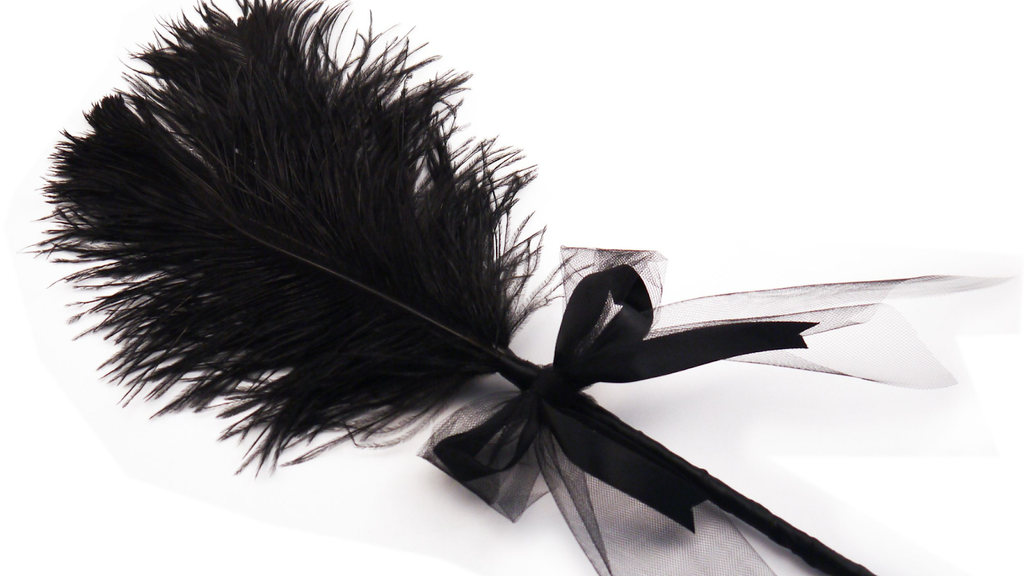
- Single large feather: Classic look, wide coverage, softer and more diffuse sensation.
- Feather wand or duster: Multiple feathers on a long handle, great for covering larger areas of the body quickly.
- Mini feather tickler: Small and precise, better for targeting specific spots like the neck or inner wrist.
- Feather and flogger combo: One end has feathers, the other has light leather or fabric strips. Great for alternating between soft and slightly more intense sensation.
- Synthetic feather tickler: Made from faux feathers, easier to clean, good option if either partner has allergies.
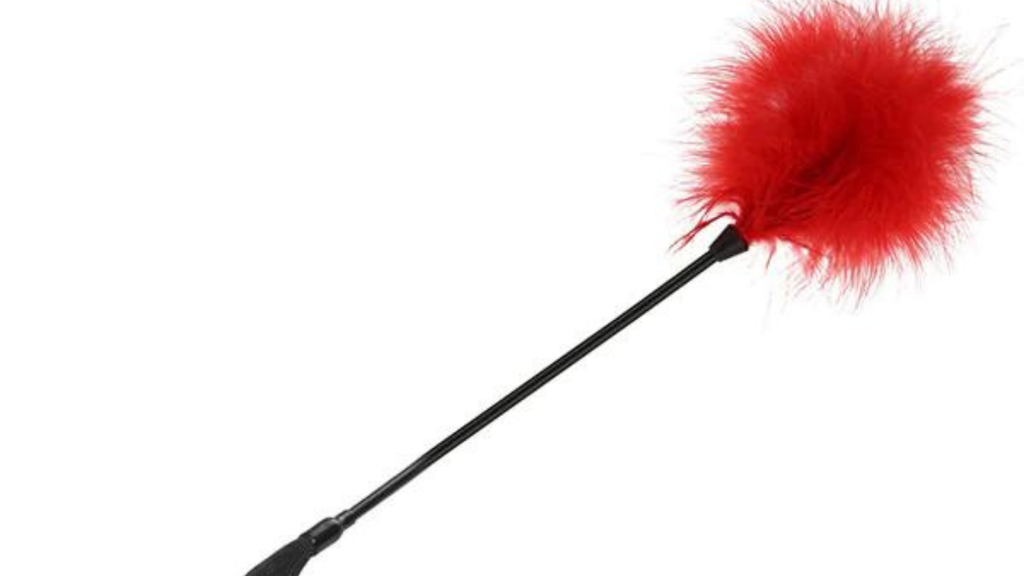
The combo tickler and flogger is worth mentioning separately. It lets you go from feather-soft to something with a little more bite in one smooth motion. If you are curious about feather foreplay techniques and want to build from there, this style gives you options without buying two separate toys.
How do you use a feather tickler well?
Using a feather tickler is simple, but slow is better than fast.
The point is to tease, not just to touch. Move deliberately. Let your partner wonder where the feather is going next. The anticipation is half the sensation.
- Start far from the target: Begin on less sensitive areas like the arms or shoulders before moving to more sensitive zones.
- Move slowly: Drag the feather at a pace that gives the skin time to respond. Too fast and the sensation blurs together.
- Change direction: Vary your strokes. Up, down, circular. Unpredictability keeps the nervous system engaged.
- Try a blindfold: Remove sight and every sensation feels stronger. This is where feather ticklers really shine.
- Work toward erogenous zones: Move gradually toward the neck, inner thighs, lower back, and stomach as things heat up.
- Listen and adjust: Watch your partner's reaction. If something feels good, stay there a little longer.
Pro tip: Try alternating between the feather and your fingertips. The contrast between the two different textures makes both feel more intense than either one alone.
How do you set the mood for feather play?
The environment matters more than most people think.
Feather play is slow and sensory by nature. A rushed or distracted setting undercuts the whole experience. You want your partner relaxed and present, not checking their phone or thinking about work.
A few simple things that help:
- Dim the lights or use candles
- Put on low background music
- Remove distractions like phones
- Take a few minutes to slow down together before starting
- Use a sex blindfold to heighten sensory focus
- Have lube or massage oil nearby if you plan to transition into other play
The goal is to slow everything down. Feather play rewards patience. When both of you are relaxed and focused, even the lightest touch feels significant.
How do you clean and care for a feather tickler?
How you clean it depends on the material.
Real feathers are the most delicate. You cannot soak them or run them under water. The best approach is to spot clean with a barely damp cloth and let them air dry completely. Store them away from direct sunlight and moisture, which can cause the feathers to break down or smell.
Synthetic feathers are easier. Most can be wiped down with a toy-safe cleaner or mild soap on a damp cloth. They hold up better over time and are a smarter choice if you want something low maintenance.
For the handle, a quick wipe with a sex toy cleaner after each use keeps things fresh. Let everything dry before putting it away.
A few storage tips:
- Keep in a pouch or small bag to protect the feathers from getting bent or crushed
- Store flat or hanging, not jammed in a drawer under other items
- Keep away from heat, which can dry out and damage natural feathers
Pro tip: If your real feather tickler starts to look a bit tired, gently reshape the feathers with your fingers while slightly damp, then let them air dry naturally in their intended shape.
How do feather ticklers fit into BDSM and sensory play?
Feather ticklers sit at the soft end of sensory play, but they are a genuine part of the BDSM toolkit.
In sensory play, the idea is to heighten awareness of touch by controlling, limiting, or varying what the body feels. A feather tickler does this by delivering extremely light, unpredictable sensation across sensitive skin.
Paired with restraints or a blindfold, the dynamic becomes much more intense. The person receiving cannot move away or see what is coming next. Every stroke of the feather becomes something to anticipate and react to.
The contrast technique is also popular in BDSM play. Alternate between a feather tickler and something with more weight or sting, like a light flogger or a crop. The shift between soft and sharp keeps the nervous system completely engaged.
If you are newer to this kind of play, feather ticklers are one of the best entry points. They are completely non-threatening, easy to control, and give both partners a chance to get comfortable with sensory-focused intimacy before trying anything more intense.
Frequently Asked Questions
Do feather ticklers hurt?
No. A feather tickler is one of the gentlest sensory toys you can use. The sensation is light and teasing, not painful. If anything, the main challenge for some people is that the tickling feeling can feel more funny than sexy at first. Slowing down and focusing on erogenous zones helps shift it from ticklish to pleasurable.
Can you use a feather tickler alone?
Yes, you can use one solo. Running it slowly along your neck, stomach, and inner thighs during solo sessions adds a different kind of sensation to your usual routine. It is not just a couples toy.
What is the best feather tickler for beginners?
A simple wand or feather duster style is the best starting point. Wide coverage, easy to hold, and immediately satisfying. Look for one with a comfortable handle and full, soft feathers. Synthetic options are easier to clean and a good practical choice for a first buy.
Can feather ticklers be used with other toys?
Yes, and they work especially well with blindfolds and light restraints. Removing sight makes every feather stroke feel more intense. You can also use them as part of a longer session that moves into other toys like vibrators or couples play gear.
Are feather ticklers good for people new to BDSM?
They are actually one of the best entry points for BDSM-curious couples. There is nothing intimidating about them, they carry zero risk of injury, and they naturally build toward more adventurous play. Starting with a feather tickler gives both partners a chance to get comfortable with sensory-focused intimacy at a relaxed pace.
How long do feather ticklers last?
With proper care, a good feather tickler can last a year or more. Synthetic feathers hold up better than real ones over time. The main things that shorten the lifespan are rough handling, improper storage, and getting them too wet during cleaning. Store them carefully and clean them gently and they will stay in good shape.